
English| EUR
Suggested for you
More currencies
Choose a language
The Ngong Hills traverse is a moderate-intensity ridge hike that climbs and descends across seven distinct peaks. This guide breaks down the terrain, cumulative elevation gain, and physical demands so you can gauge whether the full traverse or a shorter partial route fits your fitness level.
Quick answer
The Ngong Hills hike is rated moderate, with a cumulative elevation gain of approximately 700 meters spread across seven peaks along a 12-kilometer ridge. Most hikers with average fitness complete the full traverse in four to six hours, though steep ascents between peaks and exposed ridgeline sections require steady pacing and basic hill-walking experience.
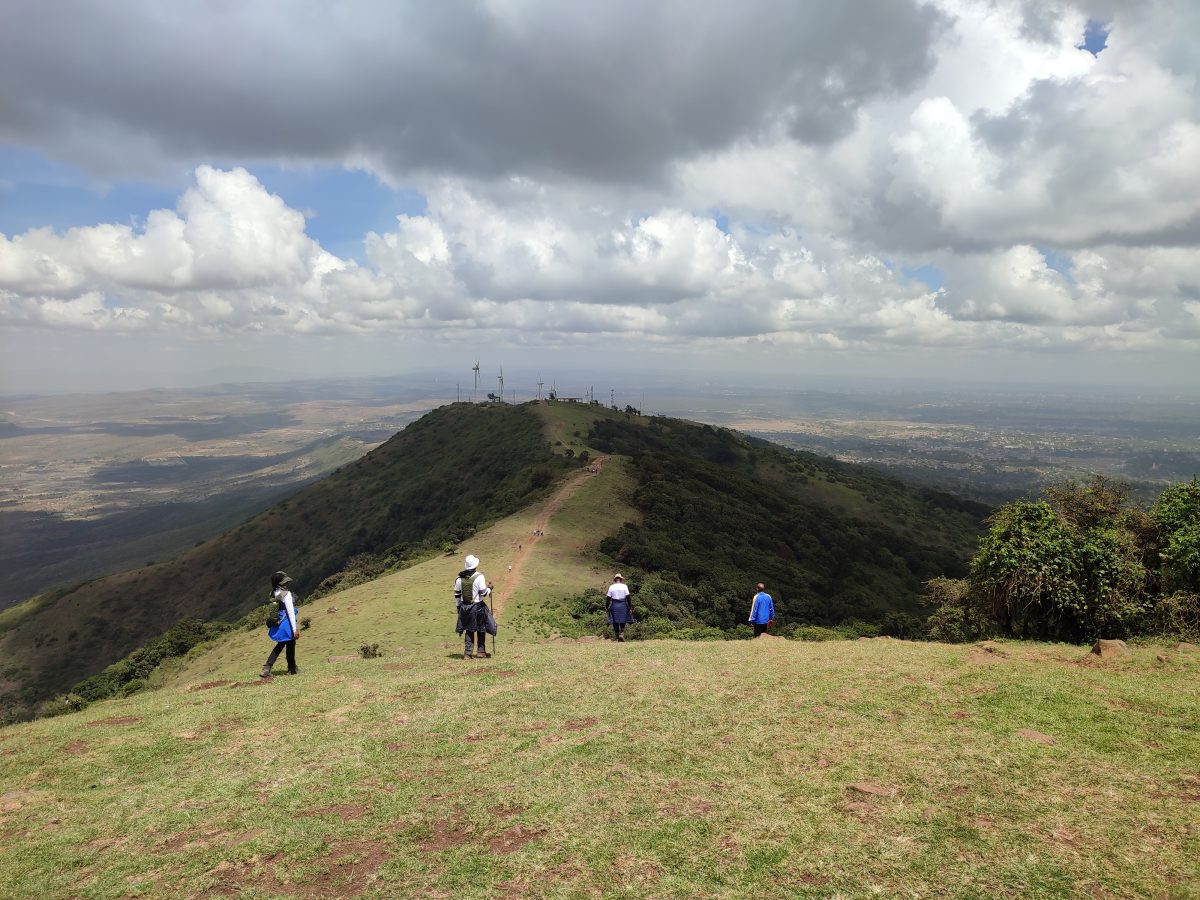
The ridge trail across Ngong Hills strings together seven volcanic summits, each separated by sharp descents and climbs that accumulate more vertical gain than the highest peak's altitude suggests. The challenge lies not in technical scrambling—the path is well-trodden dirt and grass—but in the repetitive cycle of ascent, summit, descent, and immediate re-climb. Hikers cover roughly 12 kilometers from the first peak to the seventh, with exposed ridgeline stretches where wind can be strong and footing uneven during or after rain. Fitness demands fall squarely in the moderate category. You do not need mountaineering skills, but you should be comfortable walking uphill for sustained periods and managing loose scree on descents. The steepest sections appear between the third and fifth peaks, where the gradient sharpens and the cumulative fatigue of earlier climbs begins to register. Most first-time visitors with recreational hiking experience manage the route without difficulty, though those unaccustomed to elevation change or prolonged exertion may find the final peaks taxing. Partial routes offer flexibility. Many hikers tackle only the first three or four peaks, cutting the distance and elevation roughly in half while still capturing the ridge's signature panoramas. The trail is non-technical throughout—no ropes, no scrambling, no exposure that requires head-for-heights confidence—but loose stones, occasional mud, and uneven footing mean ankle support and grippy soles matter more than on paved or boardwalk trails. The ridge offers little shade, so sun exposure and heat add to exertion during midday hours. An early start keeps temperatures manageable and ensures you complete the traverse before afternoon clouds roll in and obscure the views that justify the effort. The trail's openness also means weather shifts quickly; wind, rain, and mist can arrive within minutes, turning moderate terrain into slippery, disorienting ground for unprepared hikers.
“The challenge lies not in technical scrambling but in the repetitive cycle of ascent, summit, descent, and immediate re-climb across seven volcanic summits.”
The Ngong Hills trail spans seven peaks connected by a ridge, covering roughly 14 kilometers round-trip with cumulative elevation gain exceeding 600 meters. Most hikers complete the traverse in 4–6 hours depending on pace and rest stops.
The trail begins with a steep, unshaded climb gaining approximately 200 meters in the first 1.5 kilometers. Many hikers underestimate this opening section and start too fast, leading to early fatigue.
After Peak One, the path undulates along a narrow ridge with steep drop-offs on both sides. Footing is loose gravel in places, and wind exposure increases significantly—maintain a steady pace and watch your step on descents.
Peak Four presents the most challenging ascent of the route, with a sharp incline over rocky, uneven terrain. This section demands careful foot placement and benefits from trekking poles if you have them.
The ridge between Peaks Four and Six rolls more gradually, though accumulated fatigue makes even moderate slopes feel harder. Hydration and pacing matter most here as shade remains minimal.
Peak Seven marks the trail's furthest point, but many hikers turn around at Peak Four or Five to save time and energy. The return journey retraces the same exposed ridge, so factor in leg fatigue when planning your turnaround point.
The best arrival window is 06:00–10:00, as an early start avoids midday heat and provides better visibility. Timing your hike to account for seasonal rainfall and daily temperatures is essential for managing the physical difficulty of the trail.
Cooler mornings, warm midday; low rain
Firm ground reduces slip hazards and eases footing on steep inclines.
Increased rain, muddy paths, higher humidity
Slippery trails significantly increase physical exertion and difficulty.
—
Reduced trail traffic allows for a steady, controlled pace without congestion at steep sections.
Verdict: The optimal time for a hike is during the dry season months of January to March, arriving at the 06:00 opening to mitigate midday heat.
Proper preparation reduces physical strain and helps you handle the elevation, sun exposure, and uneven terrain.
The Ngong Hills Forest remains accessible to visitors throughout the week. Adhering to these established hours allows hikers to manage their trek within daylight constraints.
Everything you need to know about ngong hills hike difficulty
The ngong hills hike difficulty is generally considered moderate, characterized by a series of seven undulating peaks that require steady stamina. Hikers encounter significant elevation gains and descents along the ridge, making it a rewarding challenge for those with average fitness levels. For beginners, the ngong hills hike difficulty is manageable if one maintains a steady pace and stays hydrated throughout the journey. It is essential to pace yourself while traversing the diverse landscape of this Kenyan landmark. Visitors should anticipate steep inclines and declines that test cardiovascular endurance. Proper footwear is crucial to navigate the uneven trails and rugged terrain effectively. Rainfall can make the trails slippery and steep sections more hazardous, which effectively increases the ngong hills hike difficulty for all participants. It is advisable to check weather conditions before planning your trip to ensure a safer experience. Hikers should remain on designated paths and follow guidance from forest rangers to navigate the trail safely. Maintaining awareness of your surroundings is vital while exploring this natural escape. Starting from the northern end versus the southern end impacts the incline profiles you will encounter. Each route presents a unique set of challenges regarding total ascent and descent. Compared to other regional excursions, the route is often described as more accessible than high-altitude mountain climbing while being more demanding than a flat nature walk. It serves as a popular training ground for those preparing for more strenuous expeditions.